







Hey everyone, welcome back to the vlog!
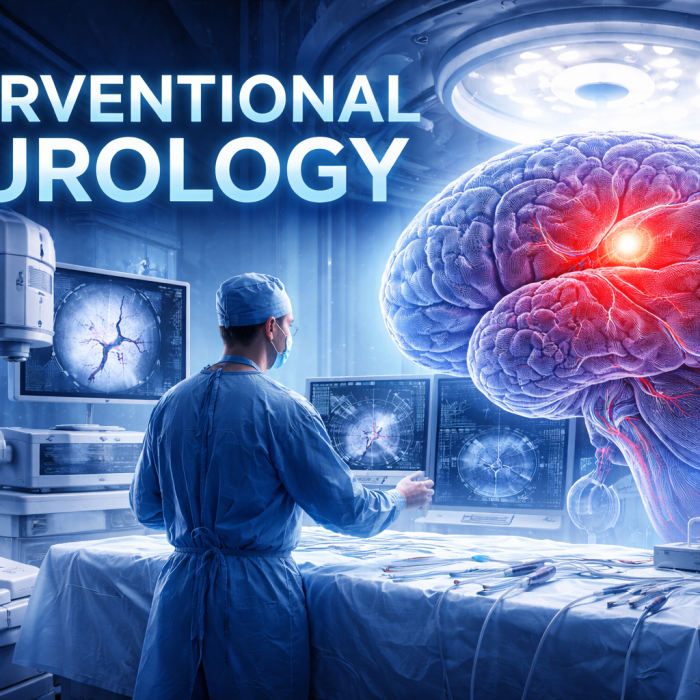
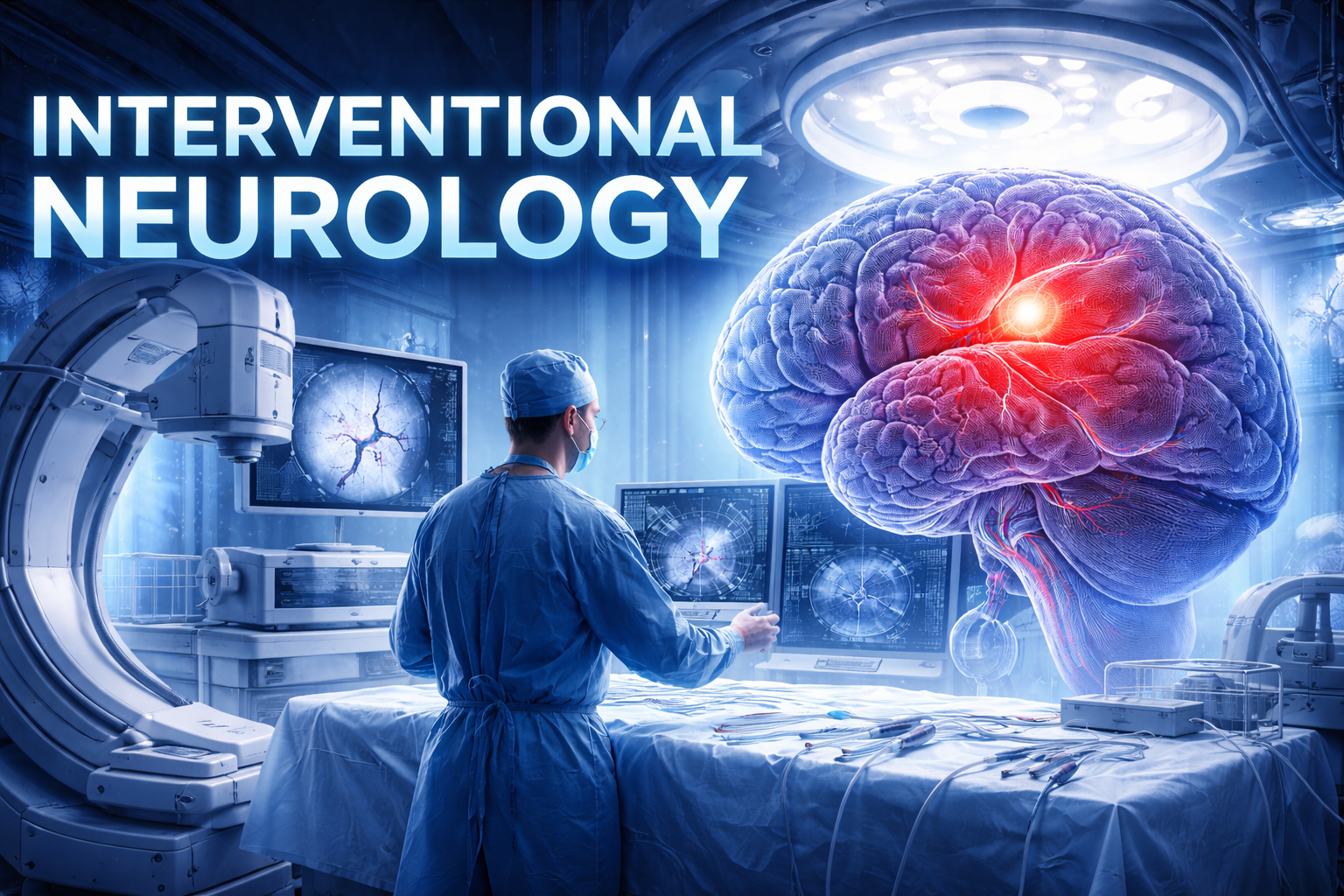
Today, we’re diving into an exciting and rapidly evolving medical field known as Interventional Neurology. This is the science that allows doctors to treat complex brain and blood vessel conditions without opening the skull. Sounds futuristic, right? Let’s explore how this specialty is changing lives and redefining brain care.
What Is Interventional Neurology?
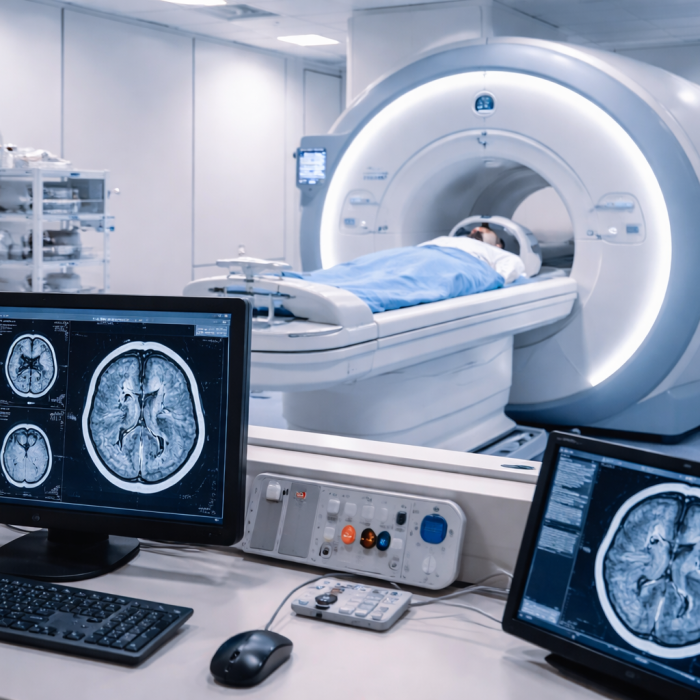
Interventional Neurology is a subspecialty of neurology that focuses on minimally invasive, image-guided procedures to treat disorders of the brain, spinal cord, head, neck, and blood vessels. Instead of traditional surgery, specialists use thin catheters, advanced imaging, and precision tools to reach affected areas through blood vessels.
It combines the knowledge of neurology with advanced endovascular techniques, making treatments safer, faster, and more effective.
Why Interventional Neurology Is So Important?
Brain disorders are among the most time-sensitive medical emergencies. Conditions like stroke or aneurysm rupture can cause irreversible damage within minutes.
Interventional neurology is crucial because it:
- Reduces the need for open brain surgery
- Shortens recovery time
- Lowers complication risks
- Saves lives during critical emergencies
In many cases, these interventions restore normal brain function and prevent long-term disability.
Major Conditions Treated by Interventional Neurology
This field addresses several serious neurological conditions. Let’s look at some of the most common ones
Ischemic Stroke
Caused by a blood clot blocking blood flow to the brain. Through mechanical thrombectomy, doctors remove the clot and restore circulation, often reversing stroke symptoms.
Brain Aneurysms
Aneurysms are weak bulges in blood vessels that can rupture. Using coil embolization or flow-diverting stents, doctors seal the aneurysm from inside the vessel.
Arteriovenous Malformations (AVMs)
AVMs are abnormal artery-vein connections. Embolization helps block abnormal blood flow and reduce rupture risk.
Carotid Artery Stenosis
Narrowed carotid arteries can lead to stroke. Carotid stenting helps keep the artery open and improves blood flow to the brain.
How Interventional Neurology Procedures Are Performed
One of the most fascinating aspects of interventional neurology is how these procedures work.
Typically, the doctor
- Makes a tiny incision in the wrist or groin
- Inserts a catheter into a blood vessel
- Guides it to the brain using live imaging
- Treats the condition using specialized devices
All of this is done with extreme precision, often without general anesthesia.
Technology Powering Interventional Neurology
This specialty relies heavily on cutting-edge technology. Tools like digital subtraction angiography (DSA) provide real-time views of blood vessels. Advanced stents, microcatheters, and AI-assisted imaging are making procedures more accurate and efficient.
As technology advances, interventional neurology continues to push boundaries and deliver better outcomes.
Who Are Interventional Neurologists?
Interventional neurologists are highly trained specialists. Their journey includes:
- Medical school
- Neurology residency
Specialized fellowship training in endovascular or interventional neurology
They must combine medical expertise with precision skills and the ability to make life-saving decisions under pressure.
The Future of Interventional Neurology
The future of interventional neurology is incredibly promising. Innovations include:
- Faster stroke detection and response systems
- Smarter clot-removal devices
- AI-driven treatment planning
Expanded access to stroke care worldwide
With growing awareness and improved infrastructure, more patients will benefit from timely, advanced brain care.
Final Thoughts
Interventional neurology represents the perfect blend of technology, skill, and medical innovation. It has transformed how we treat complex brain conditions and continues to save countless lives every day.
If you enjoyed this vlog, don’t forget to share it and spread awareness about this life-changing field. Thanks for watching, and I’ll see you in the next vlog!