


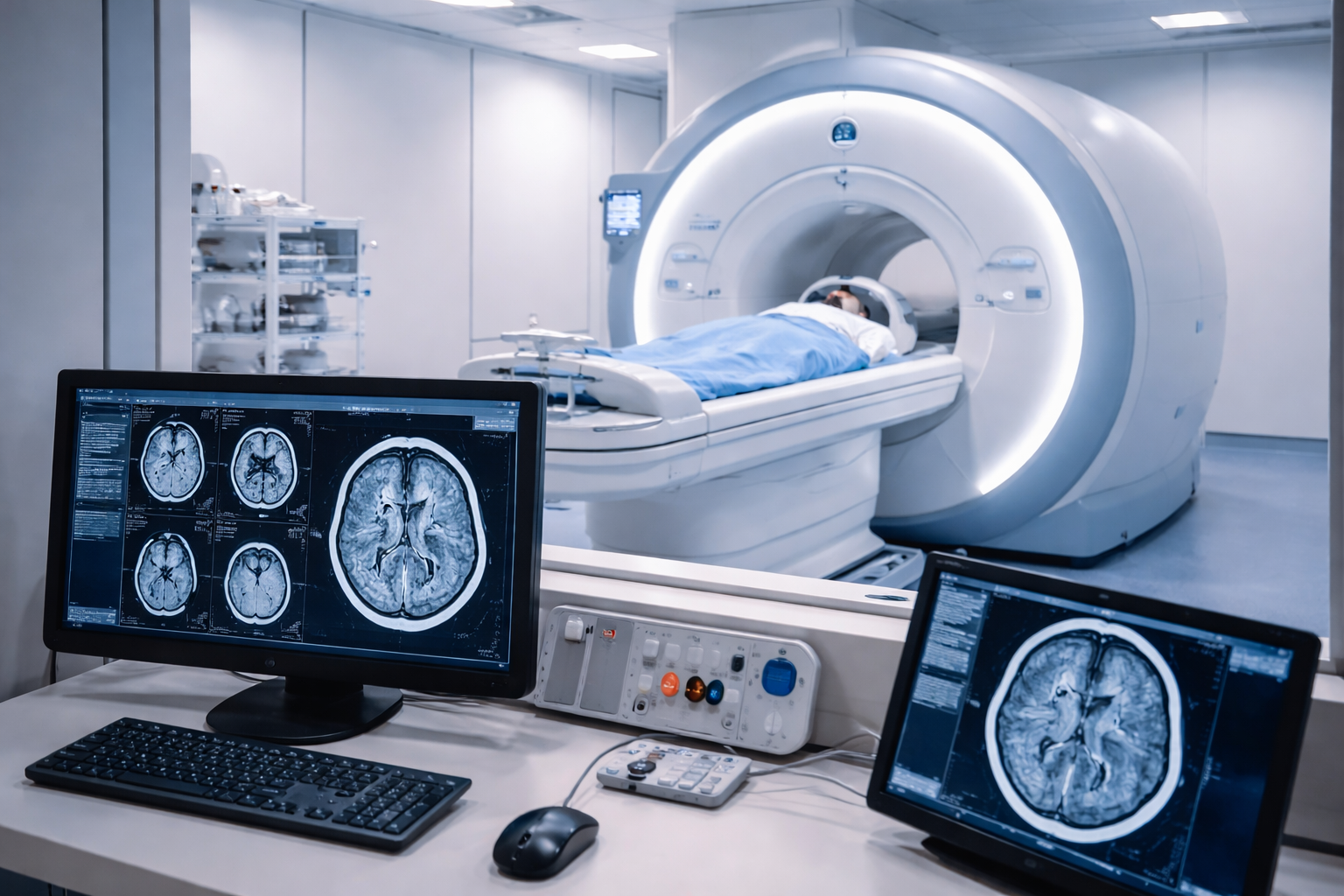
Stroke is a life-threatening neurological condition that requires immediate medical attention. It occurs when the blood supply to the brain is interrupted, leading to damage of brain cells within minutes. Early diagnosis, proper stroke treatment, and effective prevention strategies can save lives and reduce long-term disability.This complete guide to stroke treatment and prevention explains the types of stroke, causes, symptoms, emergency care, treatment options, rehabilitation, and preventive measures to help patients and caregivers understand and manage stroke better.
1.What is a stroke
A stroke is a Searious medical emergency that occurs when the blood supply to a part of the brain is blocked or suddenly reduced,or when a blood vessel in the brain reputers.Because the brain depends on a constant supply of oxygen and nutrients,even a few minutes without blood flow can cause brain cell damage or death.
Types of Stroke
1.Ischemic stroke
- Caused by a blood clot blocking an aretery supplying the brain
- Most common type of stroke
2.Hemorrhagic Stroke
- Caused by bleeding in the brain due to a ruptured blood vessel
- Often linked to high blood pressure or aneurysm
3.Transient Ischemic Attack(TIA)
- Known as a mini-stroke
- Temporary blockage with stroke-like symptoms that resolve quickly
- Warning sign of a future major stroke
2. Why Stroke Is Dangerous?
- Brain cells begin to die within minutes
- Can cause paralysis,speech problems,memory loss,or death
- Early treatment can save life and reduse disability
3.Causes and Risk Factors of Strocke
A stroke occurs when blood flow to the brain is interrupted due to a blockage or bleeding.understandin the causes and risk factors helps in early prevention and timely treatment.
Main Causes of stroke
- Blood clots in brain arteries
- Fatty deposits(atherosclerosis)
- Clots formed in the heart and travel to the brain
Ruptured Blood vessels (Hemorrhagic Stroke)
- Long -term high blood pressure
- Brain aneurysm
- Head injury
- Weak or abnormal blood vessels
Reduced Blood Flow (TIA/Mini-Stroke)
- Temporary clot blocking blood supply
- Strong warning sign of future stroke
4.Major Risk Factors of Stroke
High Blood Pressure(Hypertension)
- Biggest risk factor for stroke
- Damages brain blood vessels over time
Diabetes
- Increases risk of blood vessel damage
- Often associated with obesity and hypertension
High Cholesterol
- Leads to plaque buildup in arteries
- Increases chance of clot formation
Heart Diseases
- Irregular heartbeat (atrial fibrillation)
- Heart valve problems
- Heart failure
Smoking and Tobacco Use
- Damages blood vessels
- Increases blood clot risk
Alcohol Consumption
- Heavy drinking raises blood pressure
- Increases risk of hemorrhagic stroke
Obesity and Physical Inactivity
- Raises blood pressure, cholesterol, and diabetes risk
Age and Family History
- Risk increases after age 55
- Genetic factors play a role
Stress and Poor Lifestyle
- Chronic stress can elevate blood pressure
- Unhealthy diet increases stroke risk
- Preventable Risk Factors
- High blood pressure
- Smoking
- Unhealthy diet
- Physical inactivity
- Excess alcohol use
- Smoking and Tobacco Use
- Damages blood vessels
- Increases blood clot risk
Alcohol Consumption
- Heavy drinking raises blood pressure
- Increases risk of hemorrhagic stroke
Obesity and Physical Inactivity
- Raises blood pressure, cholesterol, and diabetes risk
Age and Family History
- Risk increases after age 55
- Genetic factors play a role
Stress and Poor Lifestyle
- Chronic stress can elevate blood pressure
- Unhealthy diet increases stroke risk
- Preventable Risk Factors
- High blood pressure
- Smoking
- Unhealthy diet
- Physical inactivity
- Excess alcohol use
- Smoking and Tobacco Use
- Damages blood vessels
- Increases blood clot risk
Alcohol Consumption
- Heavy drinking raises blood pressure
- Increases risk of hemorrhagic stroke
Obesity and Physical Inactivity
- Raises blood pressure, cholesterol, and diabetes risk
Age and Family History
- Risk increases after age 55
- Genetic factors play a role
Stress and Poor Lifestyle
- Chronic stress can elevate blood pressure
- Unhealthy diet increases stroke risk
Preventable Risk Factors
- High blood pressure
- Smoking
- Unhealthy diet
- Physical inactivity
- Excess alcohol use
Stroke is a medical emergency, but it is largely preventable and treatable when recognized early. Timely stroke treatment, including emergency care and rehabilitation, plays a vital role in recovery and quality of life. Equally important is stroke prevention through healthy lifestyle choices, regular medical checkups, and control of risk factors such as high blood pressure, diabetes, and smoking.By spreading awareness and acting quickly, the burden of stroke can be significantly reduced, helping individuals lead healthier and more independent lives.