







Many people assume that forgetfulness or confusion is just a normal part of aging but sometimes, these are early signs of dementia or other neurological diseases such as Parkinson’s or Alzheimer’s. Recognizing these symptoms early can lead to timely diagnosis, better treatment outcomes, and more effective management of brain health.
Our brain is a remarkable organ that controls every aspect of our lives from memory and emotions to movement and decisionmaking. When neurological disorders neurological disorders begin to interfere with these functions, the body sends warning signals. Understanding and acting on these signs early can help preserve cognitive function and overall quality of life.
Understanding Dementia and Neurological Disorders

Dementia isn’t a single disease — it’s an umbrella term that describes a decline in cognitive abilities severe enough to interfere with daily life. The most common form is Alzheimer’s disease, which accounts for nearly 60–70% of dementia cases. However, dementia can also result from vascular issues, brain injuries, or other neurological conditions.
Neurological disorders such as Parkinson’s disease, stroke-related complications, and multiple sclerosis (MS) affect the way the brain communicates with the body. Over time, these conditions may cause symptoms like confusion, tremors, slower thinking, or mood changes.
Why Early Detection Is Important
Catching neurological disorders early can make a significant difference. Early diagnosis can:

✅ Slow down the progression of disease
✅ Improve treatment results and symptom management
✅ Help families plan care and support more effectively
✅ Maintain independence and brain function for a longer time
When the brain begins to show subtle signs of change, early medical attention can help preserve memory, function, and mental clarity for years.
Early Signs of Dementia

The early stages of dementia are often subtle and may go unnoticed or mistaken for normal aging. However, being aware of these initial signs can help in seeking timely evaluation and care.
1. Memory Loss That Disrupts Daily Life

Frequent forgetfulness that affects daily activities is one of the most common signs.
- Forgetting names, dates, or recent events
- Repeating the same question or story multiple times
- Misplacing objects in unusual places (for example, keeping keys in the freezer)
- Depending more on notes, reminders, or family members for simple tasks
2. Difficulty Completing Familiar Tasks

Routine activities may suddenly feel confusing or complex.
- Trouble following a simple recipe
- Difficulty managing finances or remembering payment dates
- Losing track of familiar processes, such as getting dressed or driving to a known location
3. Confusion With Time and Place

People with early dementia may lose awareness of time or surroundings.
- Getting lost in familiar areas
- Forgetting what day, month, or season it is|
- Feeling disoriented even at home or in familiar spaces
4. Poor Judgment or Decision-Making

Changes in judgment or reasoning can be another red flag.
- Making unusual financial decisions
- Ignoring personal hygiene or safety habits
- Falling victim to scams or taking unnecessary risks
5. Changes in Mood or Personality

Behavioral and emotional shifts often accompany cognitive decline.
- Sudden irritability, anxiety, or sadness
- Withdrawal from social gatherings or favorite hobbies
- Becoming suspicious, fearful, or unusually quiet
Early Signs of Parkinson’s Disease

While dementia primarily affects thinking and memory, Parkinson’s disease impacts movement, coordination, and muscle control. Despite these differences, both share a root cause — the gradual decline in brain function. Detecting Parkinson’s early can significantly improve long-term outcomes and quality of life.
1. Tremors or Shaking

A faint trembling or shaking in the hands, fingers, or chin — especially when at rest — is one of the earliest signs. These tremors may start subtly and affect one side of the body before progressing. Occasional shaking from stress or fatigue is normal, but persistent tremors should be evaluated by a neurologist.
2. Slower Movements (Bradykinesia)

Bradykinesia refers to slowed movement and reduced ability to perform routine actions.
- Taking longer to walk, dress, or eat
- Reduced arm swing while walking
- Limited or “masked” facial expressions
Simple activities can become increasingly tiring or difficult over time.
3. Muscle Stiffness

Rigid or tight muscles, even when relaxed, are another classic symptom.
This stiffness can cause pain, discomfort, or difficulty moving the arms and legs. Over time, it can affect posture and mobility, often making it harder to perform daily tasks or maintain balance.
4. Balance and Posture Issues

People may notice stooping, shuffling steps, or frequent imbalance.
These symptoms increase the risk of falls, which can lead to serious injuries.
Early physiotherapy and strength training can help maintain coordination and stability.
5. Changes in Speech and Writing

Subtle changes in communication are often overlooked.
- Speech may become softer, monotone, or slurred
- Handwriting may appear smaller and cramped (micrographia)
These early signs reflect reduced muscle control and can help in early diagnosis.
When to Consult a Neurologist

You should consult a neurologist if you or someone you know experiences:
- Memory loss that interferes with work or relationships
- Tremors, stiffness, or slowed movement
- Frequent confusion, dizziness, or mood changes
- Difficulty with speech, coordination, or vision
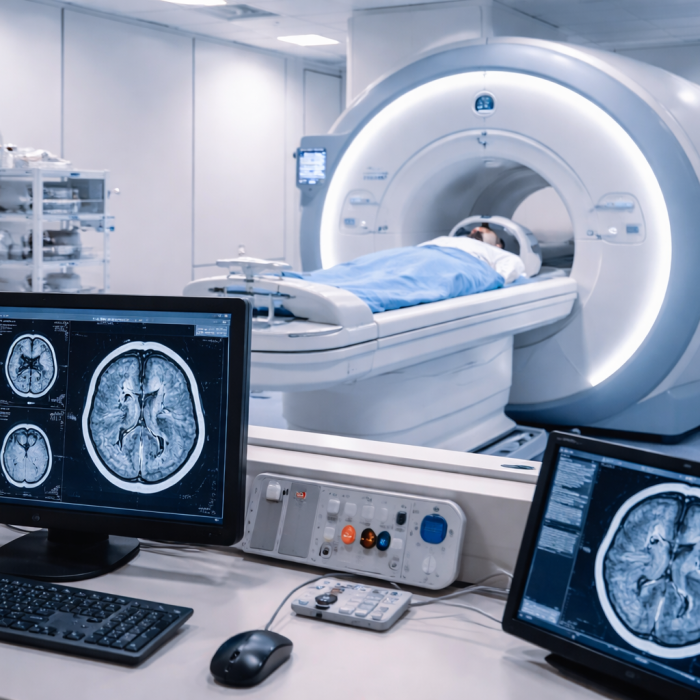
A neurologist can conduct MRI scans, cognitive tests, and movement evaluations to identify early-stage neurological conditions. Early treatment and lifestyle adjustments can slow disease progression and improve daily functioning.
Tips to Maintain Brain Health
Caring for your brain is not only about avoiding disease — it’s about building lifelong habits that promote mental strength, balance, and emotional resilience.
1. Stay Mentally Active

Challenge your brain regularly through puzzles, reading, or learning a new skill or language. Continuous mental engagement helps form new neural pathways that enhance memory and reasoning.
2. Eat Brain-Boosting Foods

A balanced diet supports brain function.
- Include omega-3-rich fish, nuts, seeds, and leafy greens
- Limit processed foods and refined sugar
- Stay hydrated to maintain alertness and energy levels
3. Exercise Regularly

Physical activity boosts blood flow to the brain and helps produce mood-stabilizing chemicals. Even moderate activities like walking, yoga, or swimming can improve memory and concentration.
4. Manage Stress and Sleep

Chronic stress and poor sleep are major contributors to cognitive decline.
Practice mindfulness, breathing exercises, or journaling. Ensure 7–8 hours of quality sleep each night for optimal brain repair and recovery.
5. Stay Socially Connected

Strong relationships and meaningful interactions protect mental health. Engage in community activities, spend time with loved ones, and nurture supportive social circles to reduce loneliness and improve brain resilience.
Conclusion
Recognizing the early signs of dementia or other neurological diseases can be life-changing What starts as mild forgetfulness, tremors, or confusion may seem harmless — but early awareness provides a vital window for diagnosis and care.
Your brain is your most valuable asset, and protecting it starts with awareness. If you or someone close to you shows early symptoms of memory loss, mood shifts, or movement difficulties, don’t delay consulting a healthcare professional. With timely treatment, a healthy lifestyle, and emotional support, it’s possible to manage symptoms, maintain independence, and preserve mental clarity for years to come.